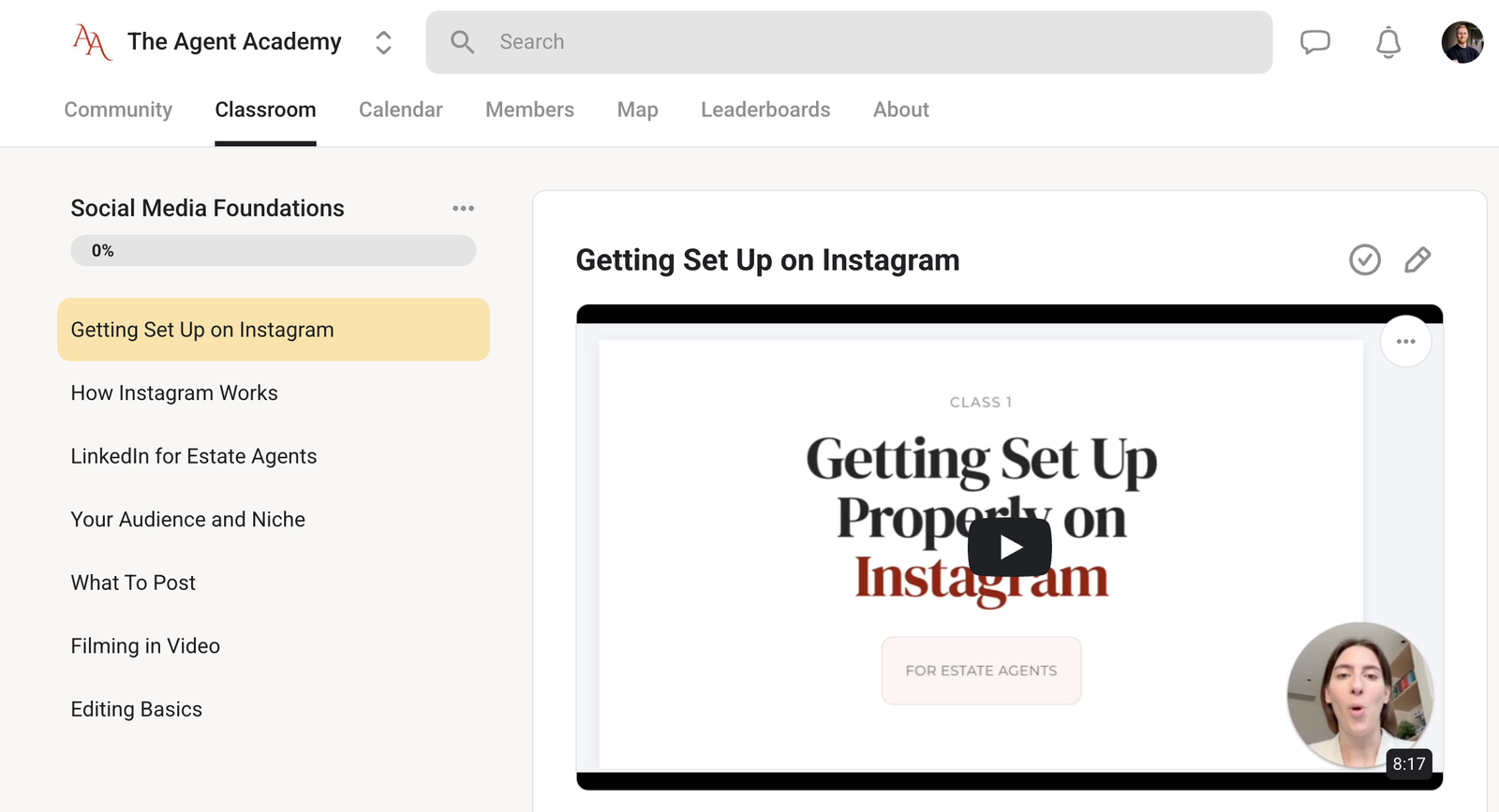

In my last post I talked about the importance of Social Media for your Real Estate business. Today, I thought I\’d delve into the differences between the platforms and how to utilise both.
LinkedIn and Meta (Facebook and Instagram) are three of the most popular platforms for real estate marketing, but they serve different purposes. Let’s break down the pros, cons, and best practices for each, so you can make the most of your advertising budget and generate the leads you’re after.
LinkedIn: The Professional Playground
The Pros:
- Professional Audience: LinkedIn is where the business world connects. You’ll find property developers, landlords, and investors – exactly the kind of people you want to engage if you’re targeting commercial properties or large-scale projects.
- B2B Goldmine: If you’re looking to connect with developers or landlords, LinkedIn’s targeting options – like job title, industry, and company size – are unmatched.
- High-Quality Leads: Users on LinkedIn tend to be more affluent and investment-ready. This makes it an excellent choice for high-ticket properties and commercial opportunities.
The Cons:
- Higher Costs: LinkedIn ads aren’t cheap. If you’re on a tight budget, this might not be the place to run broad campaigns for buyer leads.
- Less Visual Appeal: Compared to Meta, LinkedIn’s format isn’t as visually engaging. It’s more about the message than the imagery.
What It’s Best For:
- Building relationships with developers, landlords, and other real estate professionals.
- Sharing thought leadership content like market insights, case studies, or property investment guides.
- Promoting high-value commercial or luxury residential properties.
Best Practices:
- Optimise Your Profile: A polished LinkedIn profile (or business page) is crucial. Think of it as your digital business card. This guide is a good start.
- Use Sponsored Content: Promote posts with helpful market insights or showcase exclusive listings to reach your target audience.
- Leverage Lead Gen Forms: LinkedIn’s pre-filled forms make it easy for potential clients to express interest without much effort.
- Get Personal with Messaging Ads: Send tailored messages to developers and landlords to kickstart conversations.
Meta: The Visual Powerhouse
Meta comprises both Facebook and Instagram, each offering unique benefits for real estate marketing.
Facebook: The Community Builder
The Pros:
- Wide Audience: Facebook’s diverse user base includes buyers, renters, and landlords, making it ideal for residential property marketing.
- Affordable Advertising: Facebook ads are budget-friendly and highly customisable, making it accessible for real estate businesses of all sizes.
- Community Engagement: Facebook Groups and Pages allow you to build communities and foster direct interactions with potential clients.
The Cons:
- Organic Reach Challenges: Facebook’s algorithm often favors paid content over organic posts, meaning you’ll need to invest in ads to see significant results.
- Overcrowded Space: With so many advertisers, standing out can be challenging without strong visuals and compelling content.
Instagram: The Visual Storyteller
The Pros:
- Highly Visual: Instagram’s emphasis on imagery and videos makes it perfect for showcasing stunning property photos and virtual tours.
- Younger Demographic: Instagram is popular among younger users, making it a great platform for targeting first-time buyers and renters.
- Engagement Features: Stories, Reels, and interactive posts (like polls and Q&A) boost engagement and help build relationships.
The Cons:
- Limited Text: Instagram’s format prioritises visuals over detailed descriptions, which may not suit all types of real estate campaigns.
- Ad Costs Can Add Up: While Instagram ads are effective, their cost can be higher than Facebook’s, especially for video-heavy campaigns.
What Meta Is Best For:
- Facebook: Generating buyer leads, building local awareness, and fostering community engagement.
- Instagram: Showcasing high-end properties, engaging with a younger audience, and creating buzz with visually stunning campaigns.
Best Practices:
- Invest in High-Quality Visuals: Use professional photos and videos to grab attention and convey the quality of your listings.
- Run Dynamic Ads: These automatically show users properties they’ve already viewed on your website, keeping your brand top of mind.
- Use Localised Targeting: For residential properties, target users based on location, income, and interests.
- Engage with Your Audience: Respond to comments and messages promptly to build trust and foster connections.
- Leverage Instagram Reels: Create short, engaging videos to highlight property features or share quick tips for buyers.
Choosing the Right Platform for Your Goals
For Buyer Leads: Meta takes the crown here. Facebook helps you build local awareness and target specific communities, while Instagram lets you dazzle buyers with stunning visuals.
For Developer and Landlord Leads: LinkedIn is your go-to. Its professional audience and B2B targeting capabilities make it ideal for connecting with decision-makers and promoting your expertise in the real estate market.
The Perfect Combo: Why Not Both?
The truth is, LinkedIn and Meta complement each other beautifully. Use LinkedIn to establish authority and connect with industry professionals, while Meta (Facebook and Instagram) can help you generate a steady stream of buyer leads. By combining the strengths of both platforms, you’ll cover all your bases and maximise your ROI.
Final Thoughts
At Crimson Social, we specialise in helping real estate businesses leverage the power of LinkedIn and Meta to achieve their marketing goals. Whether you’re looking to generate buyer leads, attract developers, or establish yourself as a leader in the industry, we’ve got the expertise to help you succeed.
Ready to take your real estate marketing to the next level? Let’s chat! Contact Crimson Social today and let’s build a strategy that delivers results.
by Cass Humbert