

Local SEO for estate agents is really about being visible when someone nearby is ready to act. If a homeowner searches for “estate agents in Islington” or “property valuation Shoreditch”, Google needs to understand which agencies genuinely serve that area and which result will be most useful.
That visibility comes from several connected parts of your online presence: accurate Google Business Profiles, useful branch and area pages, genuine reviews and relevant local mentions. Get them working together and you give your agency a better chance of appearing in Google Search and Google Maps for the areas you actually cover.
What is local SEO for estate agents?
Local SEO is search engine optimisation focused on searches connected to a place. For an estate agency, two assets do most of the work:
Your Google Business Profile, which can appear in Google Maps and local results.
Your website, particularly its branch, service and area pages.
Your Business Profile helps Google understand the branch itself, while your website provides more detail about your services, locations and experience.
How does Google decide which local businesses to show?
Google explains that local results are mainly influenced by relevance, distance and prominence.
Relevance is how closely your business matches the search. Accurate categories, clear service information and useful website content all help Google understand that match.
Distance is the relationship between the searcher and your branch, or the location mentioned in the search. You cannot optimise your way around geography, so accurate branch information matters.
Prominence is how well known and trusted the business appears. Google says links, reviews and positive ratings can contribute to this.
You cannot pay Google for a better organic local ranking. The practical aim is to improve the signals you can control and make your agency easier for both Google and potential clients to understand.
1. Get each branch’s Google Business Profile right
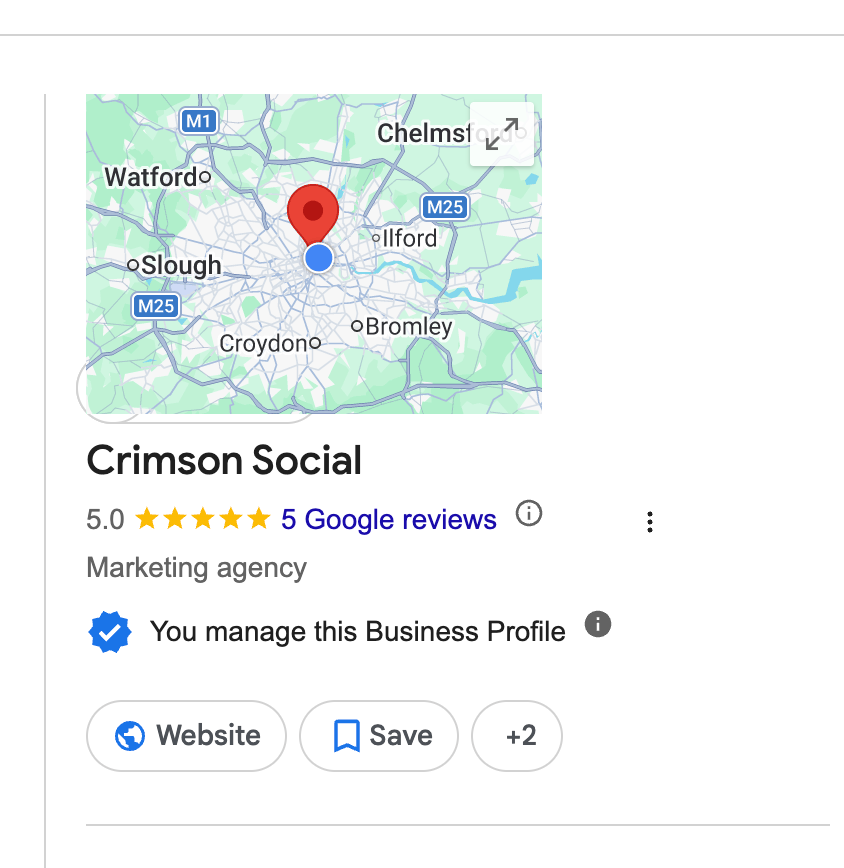
A Google Business Profile for estate agents should represent one real branch and contain information a customer can rely on. Use the same business name shown on your signage, website and other official material. Add the correct address, local telephone number and opening hours, then link to the relevant branch page rather than the homepage.
Choose the most specific primary category for that office. Secondary categories can cover genuine additional services, but adding every loosely related option will not make the profile more relevant.
Check the details that are easily neglected:
Explain which services and areas the branch covers.
Add recent photographs of the office, team and local area.
Keep normal and bank-holiday opening hours up to date.
Add the services available through that branch.
Check that the website link takes people to the right page.
Do not add locations or keywords to the business name unless they genuinely form part of the name used offline. “Smith & Co Estate Agents” should not become “Smith & Co Best Estate Agents Clapham” simply to influence rankings.
Google’s Business Profile guidelines allow a profile for each genuine location. Virtual offices do not qualify unless the business operates there with appropriate signage and staff during its stated opening hours. If you run several branches, create profiles only for real offices that meet Google’s requirements.
2. Give every genuine branch a useful page
Each branch should have its own page, but changing the town name on the same generic template is not enough.
A useful branch page should quickly answer the questions a potential client is likely to have. Does this office cover my area? Does it handle sales, lettings or both? Who works there? How can I request a valuation?
Include the branch name, address, telephone number, opening hours and services, along with the people based there and the neighbourhoods they cover. Local customer reviews, recent market insight and relevant property listings can all make the page more useful.
Local proof matters. Mention genuine sales or lettings experience, case studies, market knowledge and questions that regularly come up in that area. Give visitors something more useful than a paragraph that could belong to any estate agency in the country.
For a multi-branch agency, the structure should be easy to follow:
The main website explains the overall brand and services.
Each branch page represents a real office.
Area pages cover meaningful locations served by that branch.
Internal links connect those pages to the right services and locations.
3. Create area pages that are genuinely local
Area pages can help you reach searches beyond the immediate location of a branch, but only when you genuinely serve those places and have something useful to say about them.
Think about what a seller, landlord, buyer or tenant would want to know. That might include housing, buyer demand, rental conditions, transport, schools, amenities and recent market updates. You can also feature relevant properties and explain which branch covers the area.
Make the next step obvious. Someone who has finished reading should be able to request a valuation, view available properties or contact the nearest branch without having to search around the website.
Avoid creating thin pages for every postcode or neighbourhood. Ten strong pages with real local knowledge will usually be more useful than 100 pages built from the same template, and they will be easier to keep accurate.
4. Match local searches to the right pages
Keyword research should start with the services you want to generate, followed by the places where you offer them.
Common search patterns include:
estate agents in [area]
letting agents in [area]
property valuation [area]
sell my house in [area]
property management [area]
houses or flats for sale in [area]
The mistake is assigning all of these search terms to the homepage.
A search for a valuation may be better served by a valuation page with local supporting information. Someone looking for a branch should reach that office’s page. Someone researching a neighbourhood may find an area guide more helpful.
Mapping each main search to the most suitable page gives every important URL a clearer job. It also reduces the risk of several pages competing for the same keyword.
5. Make reviews part of the process
Estate agency reviews matter because potential clients often read them before deciding whether to get in touch. Google also says that review numbers and positive ratings can help local rankings.
Make the review request part of the customer journey. Ask after a successful completion, exchange, let agreed or resolved service issue, then send a direct link to the correct branch profile.
Respond to reviews as well. Thank the reviewer and refer naturally to the service or experience they mentioned. Negative reviews deserve a calm, professional response that acknowledges the concern without discussing confidential details in public.
For agencies with several offices, the review should normally sit against the branch that delivered the service. That creates a more accurate picture than directing every review to the head office.
6. Keep your business information consistent
Google gathers information from your Business Profiles, website and other sources across the web. If your branch name, address or telephone number changes from one listing to another, the connection between those sources becomes less clear.
Check the places where your agency already appears. This may include property portals, professional bodies, reputable local directories, social media profiles and partner websites. Correct old domains, closed offices and out-of-date contact details.
You do not need hundreds of directory listings. Focus on websites that potential clients might realistically use, particularly those connected to property or the locations you serve.
7. Earn relevant local links and mentions
Links can support local prominence, but more is not always better. A relevant mention from a trusted local or property website is more meaningful than a large package of generic directory links.
Estate agents have several natural ways to earn this kind of coverage:
Offer useful commentary to local journalists about prices, supply or buyer demand.
Publish original local market reports that other organisations can reference.
Support genuine community events, charities or business groups.
Create joint guides with mortgage brokers, conveyancers, surveyors or removal firms.
Produce local resources that residents and buyers would genuinely use.
Share worthwhile resources with relevant contacts and through social media. Promotion does not guarantee links, but it gives the right people a chance to find the work.
8. Use internal links to connect the journey
Internal links help visitors move through your website and show search engines how your pages relate to each other.
An area guide should link to the branch that covers that location. A branch page should link to its valuation, sales, lettings and property-management services. Supporting articles should point towards the commercial page that best matches the topic.
Use descriptive anchor text where it helps. “Request a property valuation in Balham” tells a visitor far more than “click here”. Important local pages should also be reachable through normal navigation, not hidden behind a website search.
9. Check the technical basics
Even strong local content will struggle if Google cannot crawl the website or visitors find it difficult to use.
Check that branch and area pages can be indexed, work on mobile and load comfortably. Give each important page its own title, main heading and meta description. Fix broken links, use the correct canonical URL and include the page in your XML sitemap.
Local business structured data can give Google clearer information about an office, including its address, opening hours and contact details. The markup should match the information visible on the page and the real organisation. Structured data can help Google understand the content, but it does not guarantee a particular ranking or search feature.
10. Measure enquiries, not just rankings
Local rankings change depending on the searcher’s location, device and wording. One ranking position will never tell the whole story.
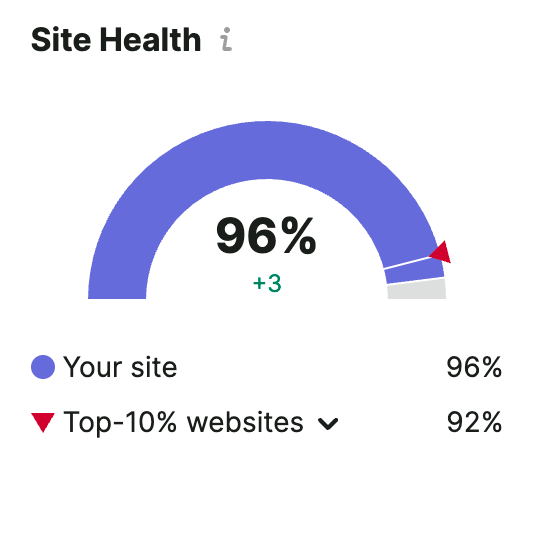
Use Google Search Console to see which searches generate impressions and clicks for each page. Review the available Business Profile data for website visits, calls, messages and direction requests. Most importantly, track valuation requests, calls and completed forms back to the relevant branch or landing page.
Ask practical questions when you review performance:
Which local searches generate impressions but very few clicks?
Which branch pages attract visitors but few enquiries?
Which locations rely mainly on people searching for the brand name?
Which area pages generate useful leads rather than general traffic?
The answers tell you what to improve next. A page receiving impressions but few clicks may need a clearer title and description. A page attracting visitors but no enquiries may need stronger proof, a clearer call to action or a simpler valuation journey.
A practical 30-day local SEO plan
You do not need to overhaul everything at once. Start with the areas most likely to affect visibility and enquiries.
Week 1: Audit every branch profile, branch page and important directory listing. Record missing information, incorrect details and duplicate profiles.
Week 2: Improve the highest-priority branch page and connect it to the correct Business Profile. Add local proof, relevant services, team information and a clear way to request a valuation.
Week 3: Introduce a consistent review-request process, reply to outstanding reviews and correct inaccurate details on the most important external websites.
Week 4: Publish or improve one genuinely useful local resource, then share it with relevant partners, community organisations and local media.
Repeat the process for each branch. Estate agent local SEO rarely improves because of one isolated change. Progress usually comes from keeping your profiles, website, reviews and wider reputation aligned over time.
Local SEO mistakes estate agents should avoid
Creating profiles for virtual or unstaffed offices.
Adding keywords or locations to the official business name.
Sending every branch profile to the homepage.
Publishing duplicate branch or area pages with only the place name changed.
Collecting reviews without replying or directing them to the right branch.
Measuring rankings while ignoring calls, valuation requests and lead quality.
Frequently asked questions
What is local SEO for estate agents?
Local SEO helps an estate agency appear for searches connected to the places it serves. It brings together Google Business Profiles, branch and area pages, reviews, accurate business information, relevant links and the technical foundations of the website.
Does every estate agency branch need its own Google Business Profile?
A genuine customer-facing branch can usually have its own profile when it operates from a real location with staff and appropriate signage. Do not create profiles for virtual offices or locations that do not meet Google’s requirements.
Do Google reviews help estate agents rank locally?
Google says review numbers and positive ratings can contribute to local prominence. Reviews also influence whether a potential client trusts the agency enough to visit its website or make contact.
How long does local SEO take?
No single timeframe applies. Results depend on the agency’s starting point, competition, location, website, reviews and authority. Correcting profile information may have an effect relatively quickly, while competitive searches usually require sustained work.
Should estate agents create a page for every area they cover?
Only when the agency genuinely serves that place and can publish useful, distinct information about it. Thin pages created by swapping one place name for another offer little value to potential clients.
Improve your estate agency’s local visibility
Good local SEO should make life easier for the person searching. They should be able to find the right branch, understand whether you cover their area and take the next step without confusion.
For Google, the same principle applies. Accurate profiles, useful local pages, genuine reviews and relevant mentions all help explain where your agency operates and why it deserves to appear.
Crimson Social provides SEO for estate agents and other property businesses. We identify local search opportunities, improve branch and service pages, plan useful content and strengthen the signals that support long-term organic visibility.