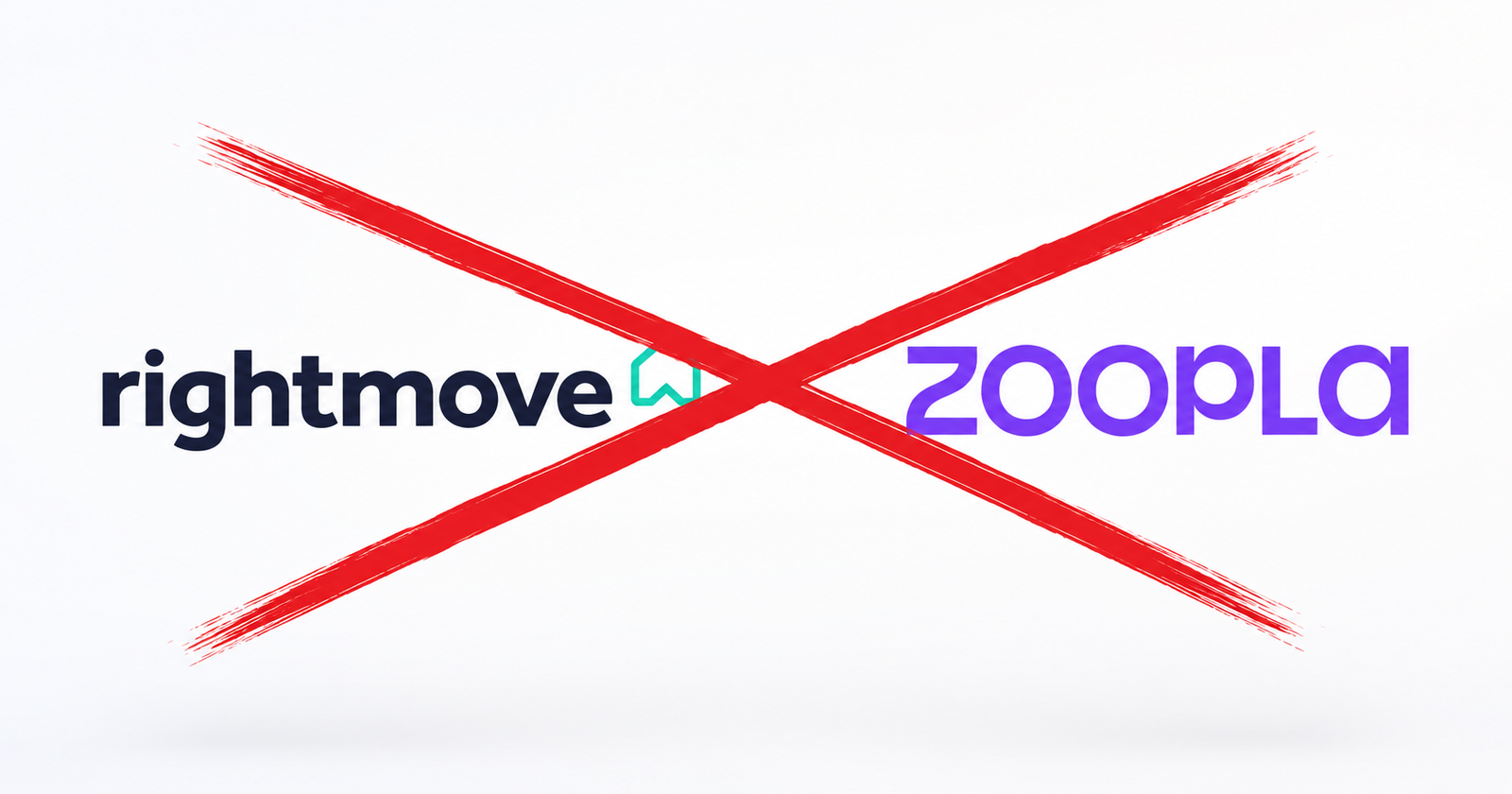
If Rightmove and Zoopla enquiries slowed tomorrow, where would your next instruction come from?
Property portals remain an important part of estate agent marketing. Rightmove says one in two UK adults uses its website each month, which shows the scale of the audience available to agents.
But portals should not become your only source of new business.
A strong estate agent lead generation strategy gives you several ways to reach sellers, landlords and buyers, rather than depending on one source of enquiries.
Effective lead generation for estate agents means building a mix of channels that can keep bringing opportunities into the business, even when portal demand slows.
Here are seven ways to build that mix.
1. Organic social media
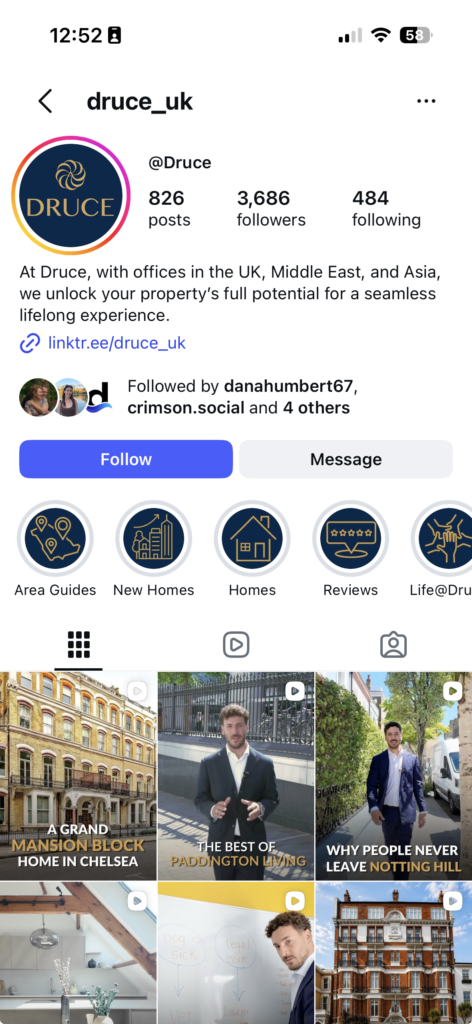
Organic social media works best as a brand-building channel rather than a source of instant leads.
A homeowner may follow your agency for months before planning a move. During that time, they see your team, properties, local knowledge and results. When they decide to sell, your agency already feels known and trusted.
This makes social media useful for sourcing seller instructions over the long term.
The content should offer more than listings. Agent-led videos, local market updates, seller advice, recently sold homes, area guides and client stories can all give people a reason to follow.
Pros
- Builds local brand awareness
- Creates an audience of future sellers and landlords
- Helps potential clients get to know your team
Cons
- Usually takes time to influence instructions
- Requires consistent content
- Follower numbers do not always reflect business results
Best for: Building awareness and trust before someone needs an agent.
2. Email and CRM marketing
Many agencies already have a valuable audience in their CRM.
Past applicants, former vendors, landlords, buyers and old valuation leads may all need an agent again. Useful communication can keep your agency front of mind until that point.
Emails could include local market updates, recently sold properties, homeowner advice, landlord news and occasional valuation campaigns.
Segment your database where possible. Different groups have different needs.
Marketing permissions require careful handling. ICO guidance says marketing emails to individuals generally require consent or a valid soft opt-in. The soft opt-in has specific conditions, including an opt-out when details are collected and in every later marketing message.
Pros
- Uses an audience you already have
- Has a low media cost
- Supports repeat business and future instructions
Cons
- Depends on good CRM data
- Poor targeting can create noise
- Marketing permissions must be handled correctly
Best for: Turning existing contacts into future opportunities.
3. SEO
SEO helps your agency appear when people search for estate agents, valuations and property advice on Google.
For estate agencies, this can include location pages, sales and lettings pages, seller guides, local market content, Google Business Profile work and useful answers to common property questions.
SEO can become a strong long-term channel for lead generation for estate agents, but results take time. Google says some website changes may show an effect within hours, while others can take several months.
Organic traffic does not carry a media cost for each click. Creating and improving pages still requires time and investment.
Pros
- Can create a long-term source of relevant traffic
- Has no media cost for each organic click
- Works well for local and high-intent searches
Cons
- Results can take months
- Rankings are not guaranteed
- Requires ongoing work
Best for: Building long-term search traffic and leads.
4. Referrals and partnerships
Warm introductions can become a valuable source of new business.
Mortgage brokers, solicitors, developers, relocation firms and other local businesses often speak to people who may also need an estate agent. Strong relationships with those businesses can create new introductions.
The relationship should benefit both sides. Joint events, useful content, local guides and client introductions can work well.
Past clients can also provide valuable referrals. A recommendation from a seller who had a good experience carries trust that advertising cannot easily copy.
Pros
- Leads often arrive with trust already established
- Requires little or no media spend
- Strengthens your local network
Cons
- Takes time to build relationships
- Lead volume can be hard to predict
- Scaling can be difficult
Best for: Generating warm introductions.
5. Local and offline marketing
Estate agency remains a local business, so offline marketing still has a role.
Boards, direct mail, local events, sponsorships, shopfronts and local PR can help people recognise your agency.
Offline and digital marketing can also support each other. A homeowner may see your board, watch one of your videos later that week and receive a market update the following month. Repeated exposure helps build recognition.
Dedicated landing pages, QR codes and asking new leads how they heard about you can make results easier to track.
Pros
- Builds recognition in your local area
- Reaches homeowners who are not actively searching
- Supports your digital marketing
Cons
- Results can be harder to track
- Printing and distribution can become costly
- Poor targeting creates waste
Best for: Strengthening local brand awareness.

6. Google Ads
Google Ads can reach people while they actively search for services.
Someone searching for “estate agents in Clapham”, “house valuation Islington” or “letting agent near me” has already shown clear intent.
That makes Google Ads useful for seller and landlord lead generation.
Campaigns should focus on the action you want someone to take. A valuation campaign, for example, can send people to a dedicated valuation page rather than a general homepage. The page should match the search and make the next step clear.
Pros
- Reaches people with active search intent
- Can generate traffic quickly
- Makes results easy to measure
Cons
- You pay for every click
- Competitive areas can become expensive
- Poor targeting can waste budget
Best for: Capturing existing seller and landlord demand.
7. Meta Ads
Meta Ads can reach potential sellers on Facebook and Instagram before they start searching for an estate agent.
A homeowner may be considering a move or wondering what their property could be worth. A well-planned campaign can reach that person earlier in the decision process.
A clear offer gives people a stronger reason to respond. A local market update, recent sold-price information or a valuation can all work as useful starting points.
Lead quality also needs attention. Someone who submits a Meta form may have less immediate intent than someone searching Google, so fast follow-up plays an important role.
Pros
- Reaches potential sellers before they search
- Can generate leads quickly
- Supports lead generation and brand awareness
Cons
- Lead intent can vary
- Creative needs regular updates
- Follow-up has a major impact on results
Best for: Reaching potential sellers earlier.
Which estate agent lead generation channel should you use?
The right estate agent lead generation mix depends on your budget, market, brand and how quickly you need results.
| Channel | Speed | Intent | Long-term value | Best suited to |
|---|---|---|---|---|
| Organic social | Slow | Low initially | High | Brand awareness |
| Email & CRM | Fast | Medium-high | High | Existing contacts |
| Referrals & partnerships | Medium | High | High | Warm introductions |
| SEO | Slow | High | High | Long-term search traffic |
| Local/offline marketing | Medium | Medium | Medium-high | Local recognition |
| Meta Ads | Fast | Medium | Medium | Reaching sellers earlier |
| Google Ads | Fast | High | Medium | Capturing active demand |
Most agencies should focus on the channels that best fit their goals rather than launch all seven at once.
Strong lead generation for estate agents rarely depends on one channel. Portal enquiries can sit alongside organic search, social media, CRM activity, referrals, local marketing and paid campaigns.
When one source slows down, the others can continue bringing opportunities into the business.
Want to generate more leads for your estate agency?
Crimson works exclusively with property businesses to turn marketing activity into measurable growth.
If you want to build a stronger estate agent lead generation strategy and reduce your reliance on property portals, speak to the Crimson team.